
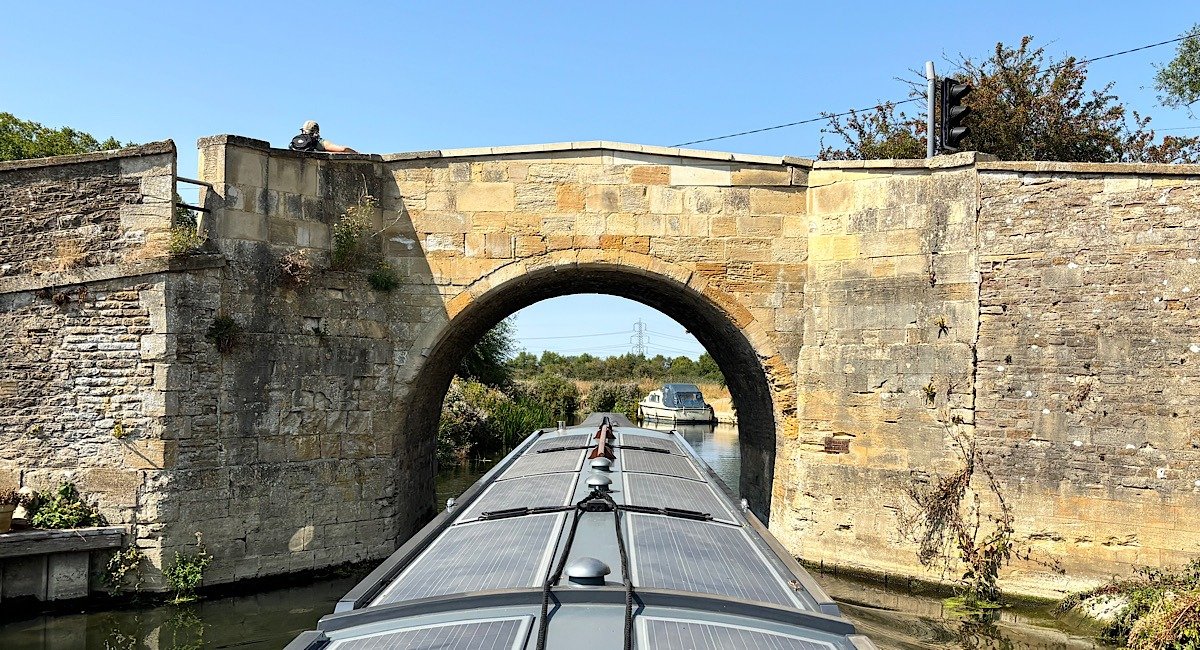
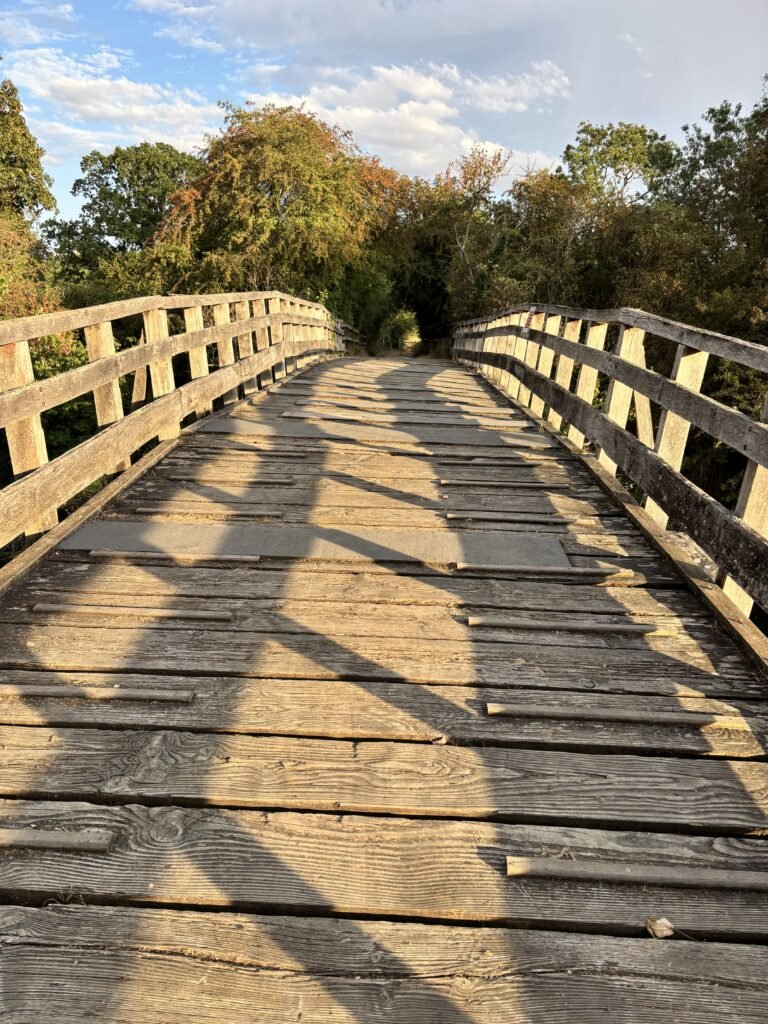
After the lock had closed yesterday evening, we moved from being moored outside the EA workboat over to the lock landing — which is allowed at the moment because of the lock restrictions. Firstly it was much shadier, and secondly, it was much easier to get on and off with Macc. For our evening walk, we went along the lock cottage driveway to the bridge over the river, which turned out to be much wider than I was expecting.
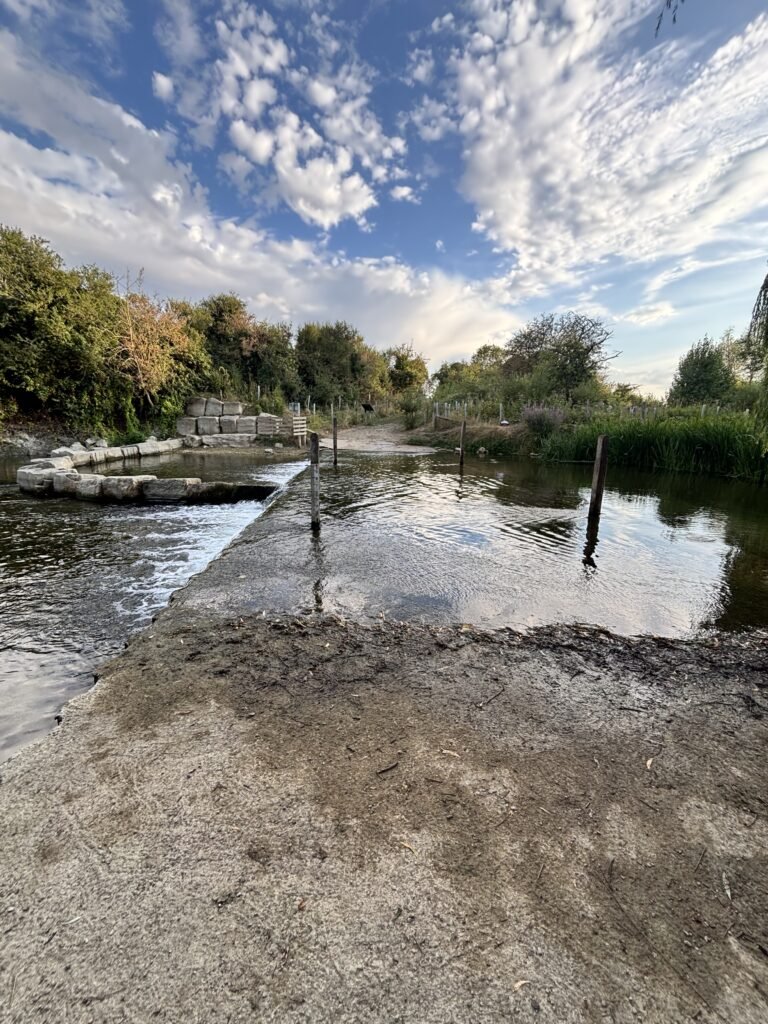
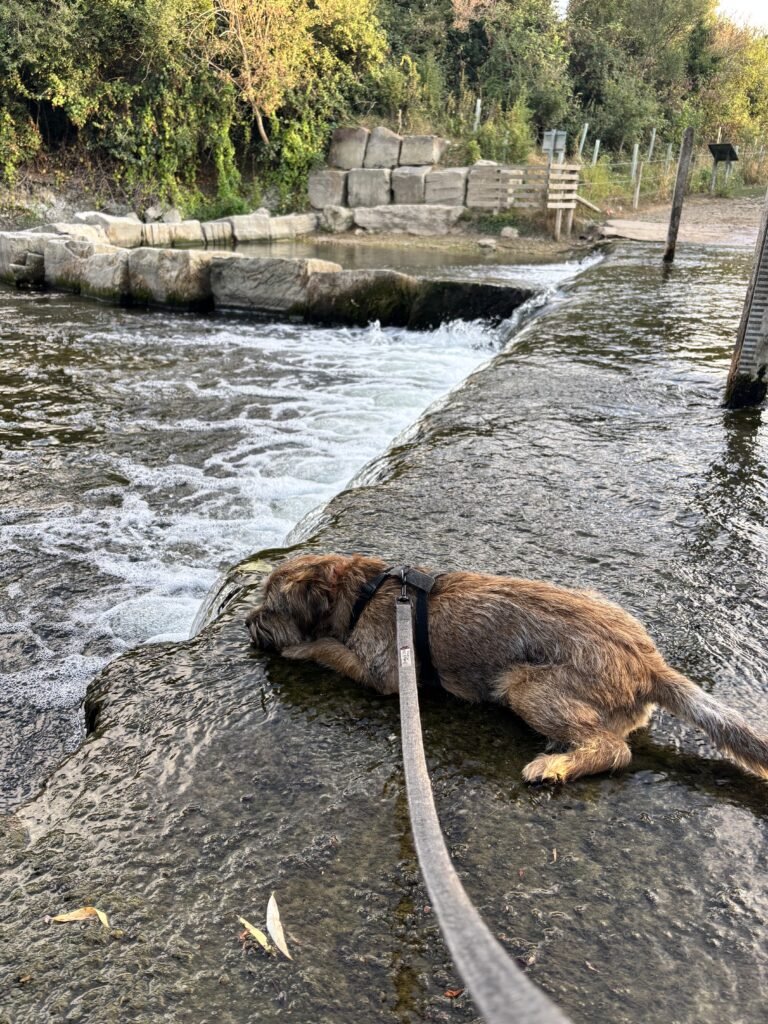
We crossed several completely empty fields, which Macc loved, and went down to Duxford ford. This is on the original course of the river, while Shifford Lock is on a manmade cut. You’d still get wet feet crossing the river here; I can’t imagine any vehicles use it, because while there’s a track on the far side, there’s only a footpath on the side we’d come from. Macc enjoyed laying in the shallow water to have a drink.
This morning was much fresher than the past couple of days, which was a relief. We knew we had a way to go so set off at about 8.30. Once out of the lock cut, the scenery really opens out.
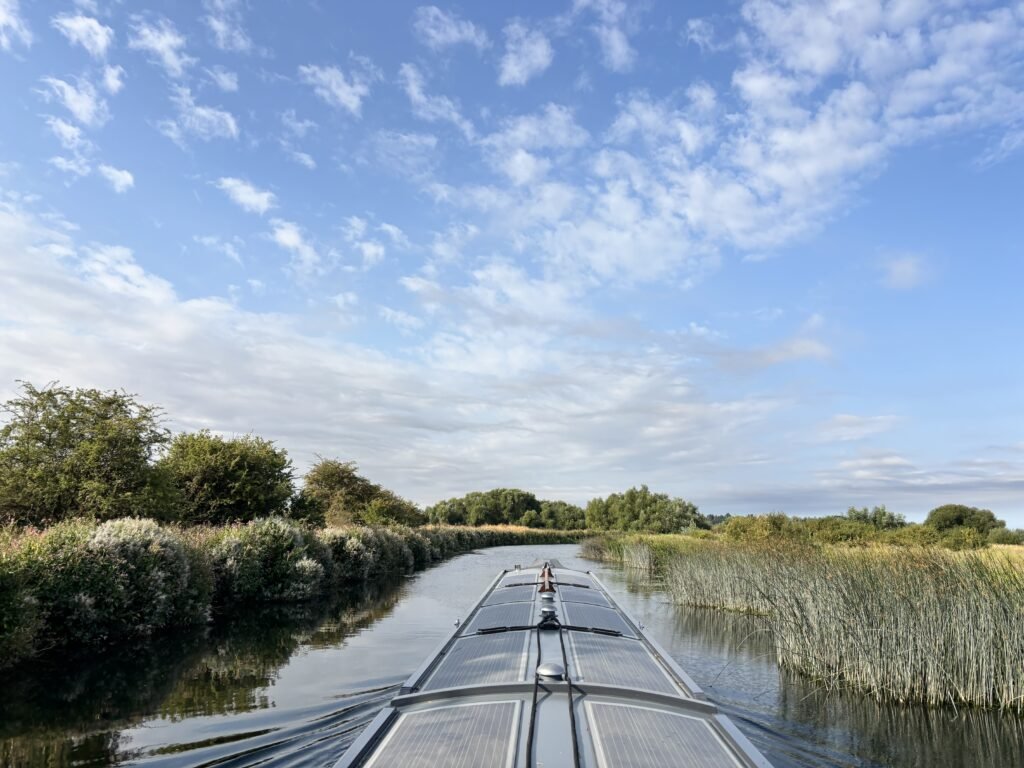
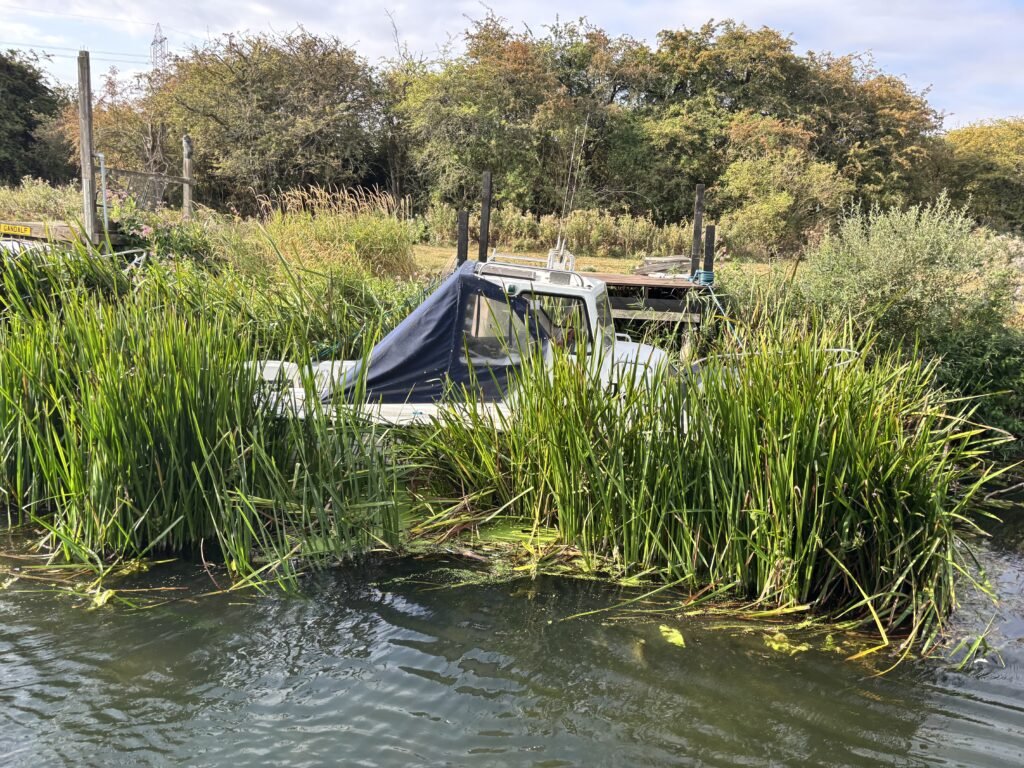
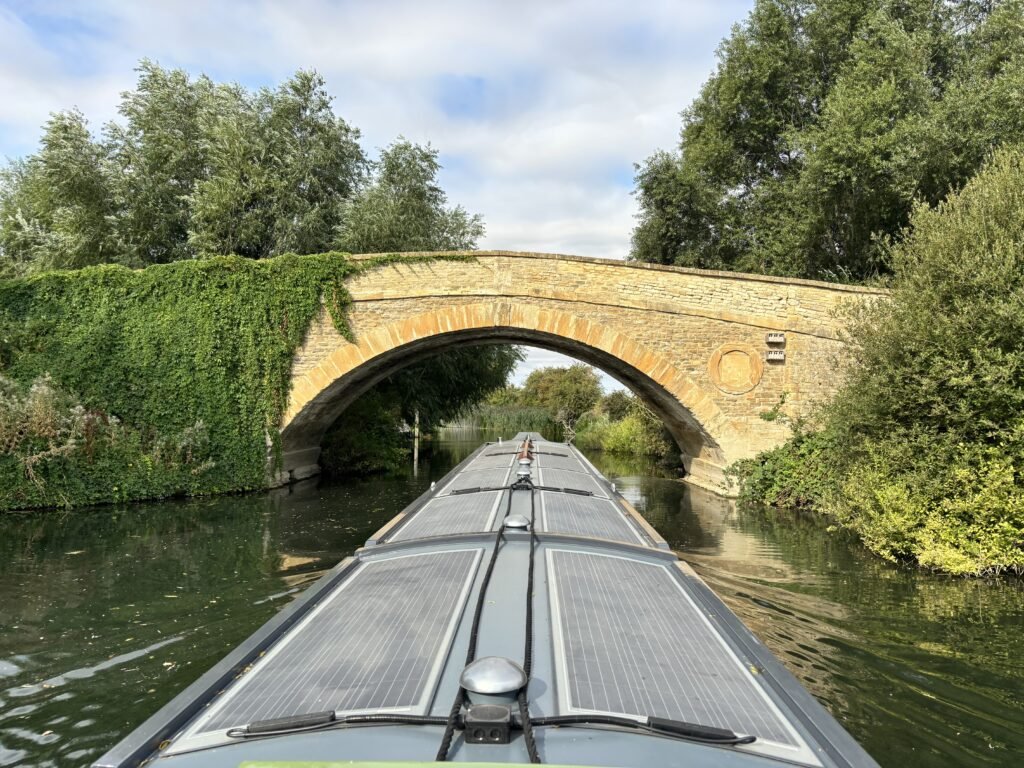
There are some permanent moorings before Tadpole Bridge, but it seems some of the boats haven’t moved for a while. The bridge itself it nice and wide.
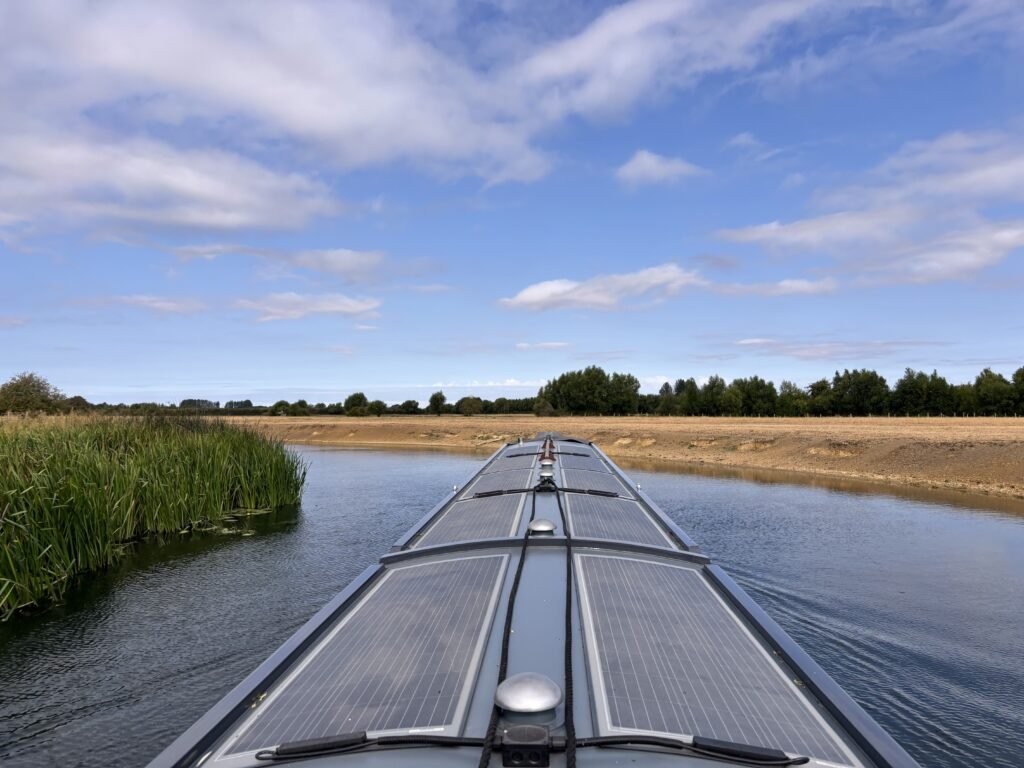
We got to Rushey Lock just after 9.30, just as the lock keeper was opening up so we were more or less straight in and up. We stopped briefly at the top to use the bins, as we haven’t seen a rubbish point for days. Lots of this section is very twisty, but above Rushey Lock there are also places where the outsides of the bends have formed into beaches.
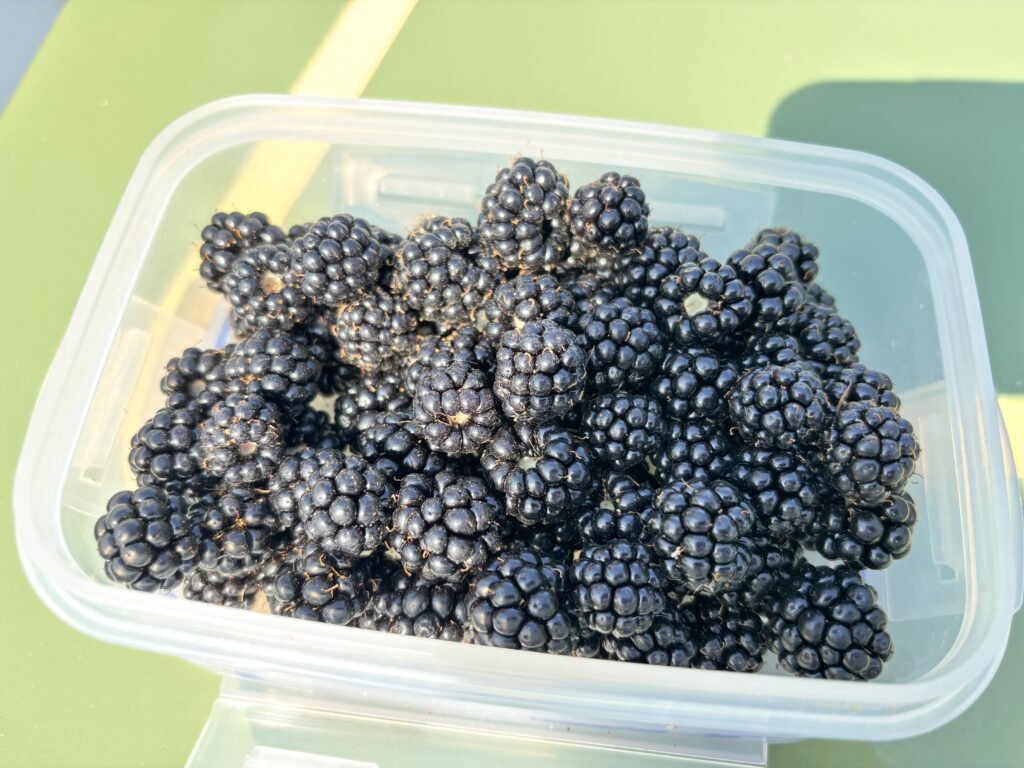
We arrived at Radcot Lock at 10.40, and Adrian went to find the lock keeper. He said the lock was being operated on the hour and half hour, so we’d have to wait until 11. This is the restriction that’s been on all the locks above Oxford, but usually the lockies have said that as there’s so little traffic they’d just put us through anyway. It seemed unlikely to us that this lock keeper had done a 10.30 locking, as we’d seen not other boats, but who knows. While we waited, I picked a decent number of blackberries from the bushes above the lock landing.
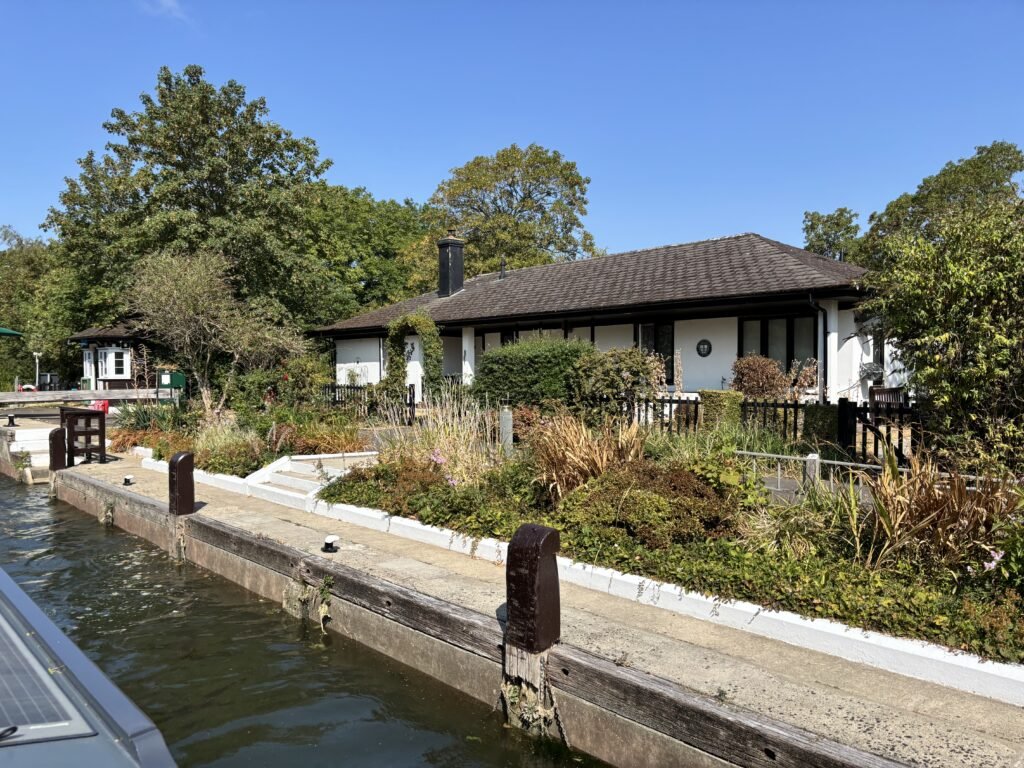
At 11, the lockie started to get the lock ready for us, no other boats having arrived in either direction, and in we went. This lock has a very different lock cottage, a low-slung bungalow that seems to date from the 1980s.
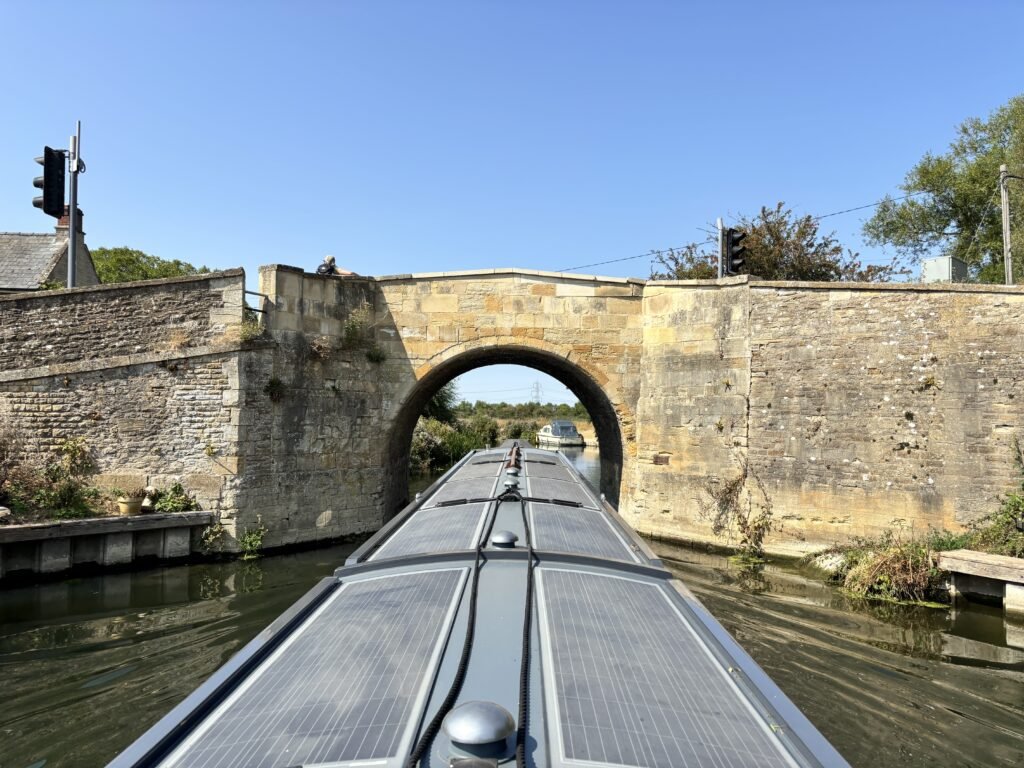
We passed the rather nice motorhome site and then the yurts and campsite on the opposite side, then went through Radcot Bridge. This is a narrow one and has quite a sharp turn just the other side, so there are signs about taking it cautiously.
At Grafton Lock, we had another keeper who said she was doing lockings on the hour and half hour, so we had about 10 minutes to wait until 12 o’clock. At least this lockie got the lock ready early, so we were going in at the appointed time. We’d hoped to moor at Kelmscott, where we had a lovely time a couple of years ago, but there was a boat on the Manor mooring and we didn’t think we’d fit behind it, and the space round the corner was very overgrown. After a while we resigned ourselves to carrying on the Buscot Lock. We knew this would be on self service, because the previous lock keeper had told us; we arrived bang on 1pm, and some people from the hire base just above worked the lock for us. The mooring on the lock island was fortunately available, so we reversed onto it.
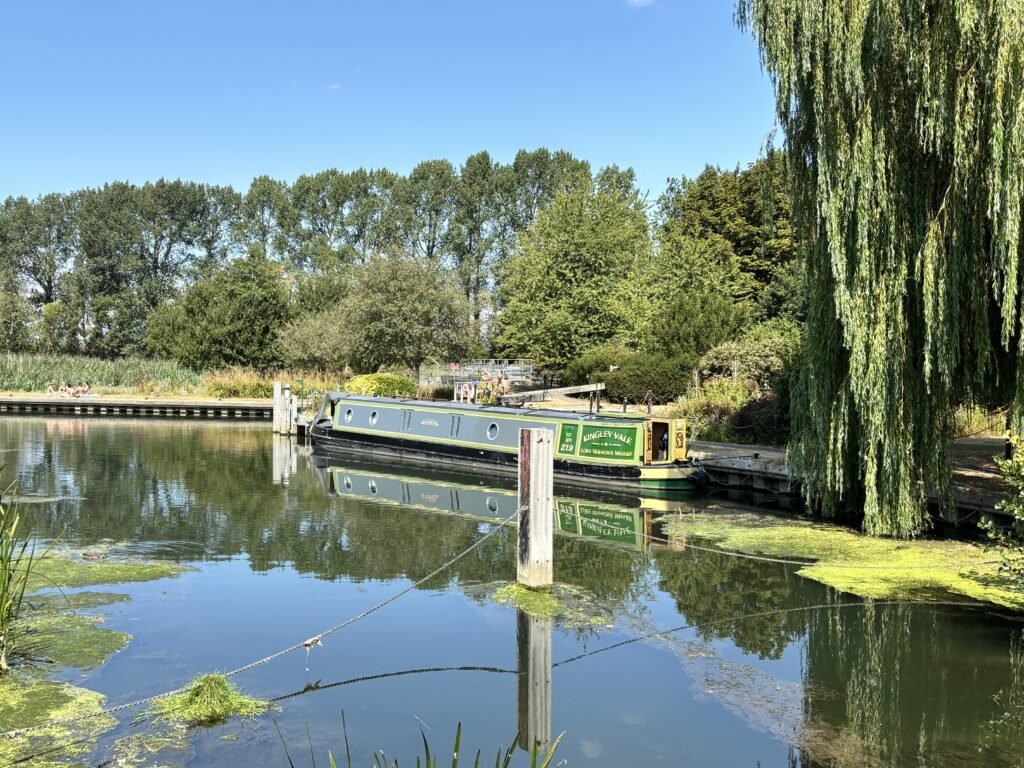
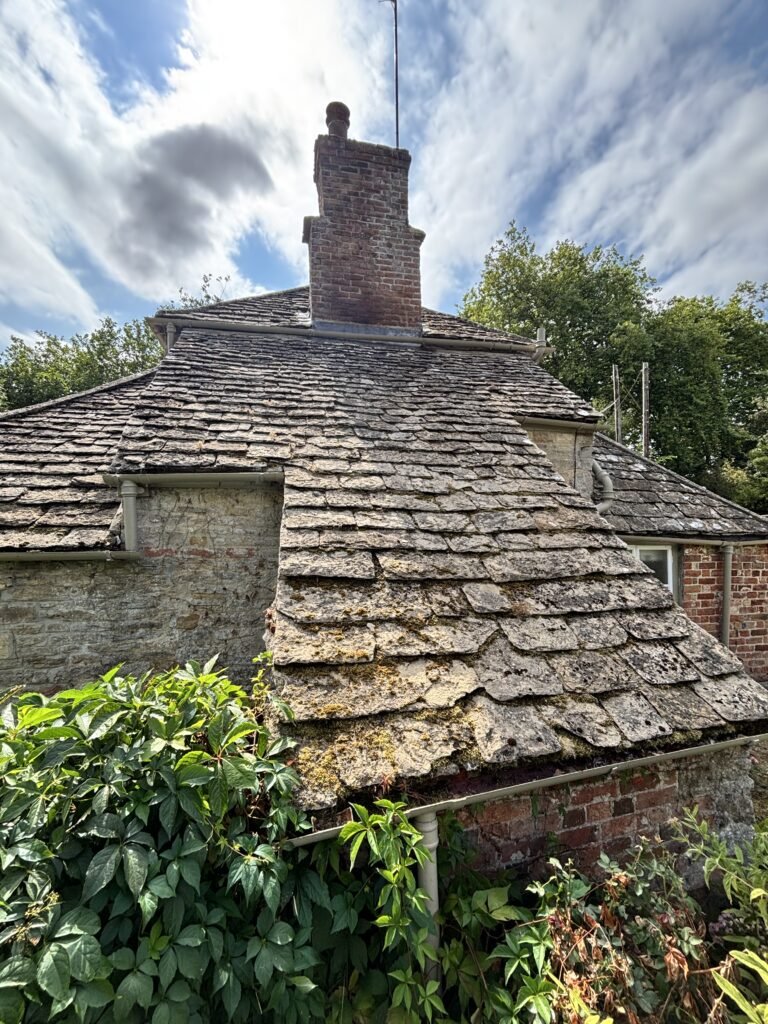
It may be that this is a payable mooring, but there’s no-one here to ask and there are no signs. Also, the lockie we saw yesterday at Shifford said they can hardly charge for moorings when people are currently allowed to moor on lock landings. After a slightly late lunch and a short walk for Macc because it had really warmed up, I walked to have a look at Buscot village, which all seems to be owned by the National Trust. The cottage by the weir is one of their holiday lets, and has an amazing roof.
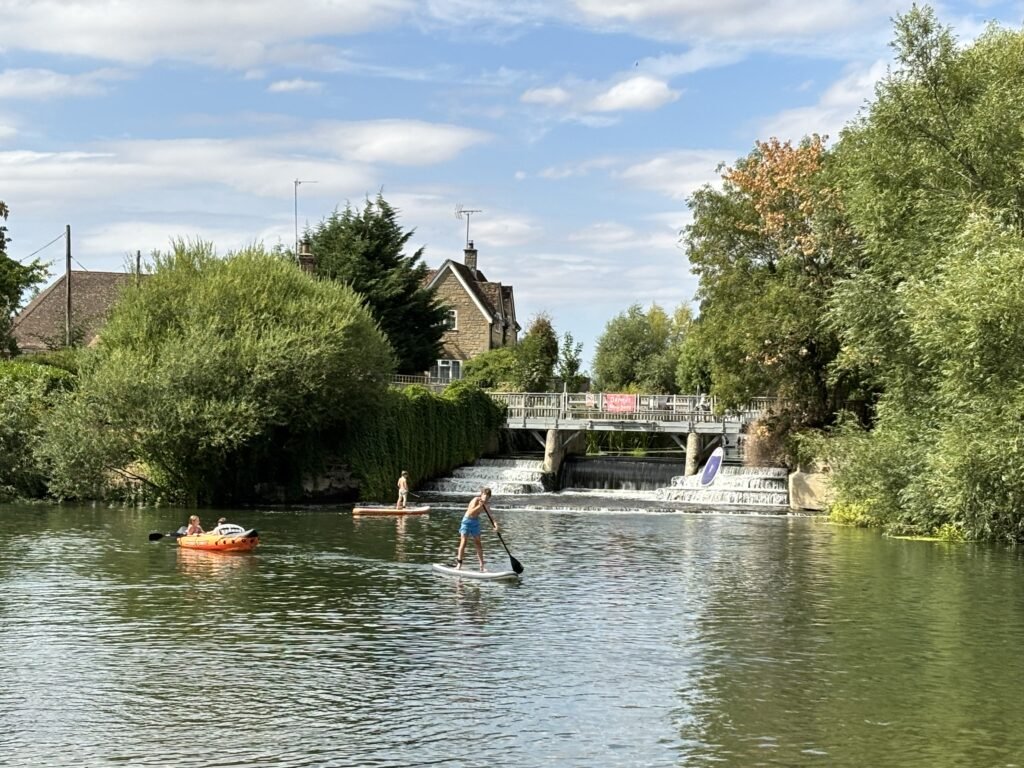
The Weir Field was like the seaside today, with families out with their picnics and blankets, or swimming and paddle boarding in the weir pool.
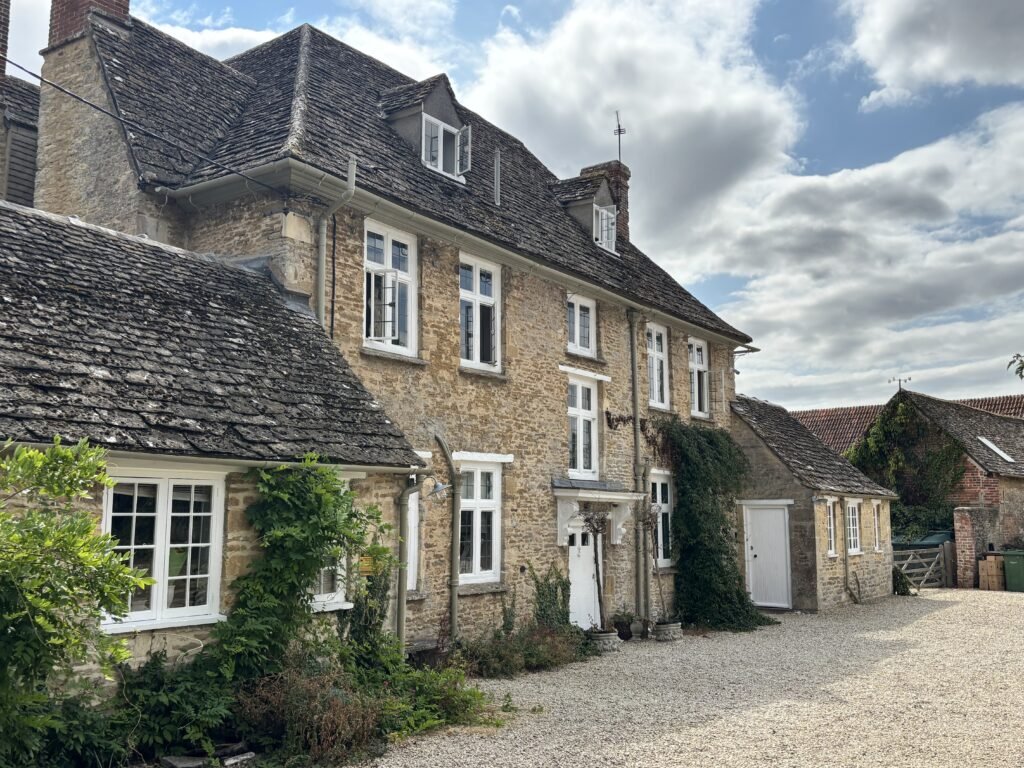
There’s a big car park in the village, although the tea room has closed. One of the first houses you pass is Buscot Manor.
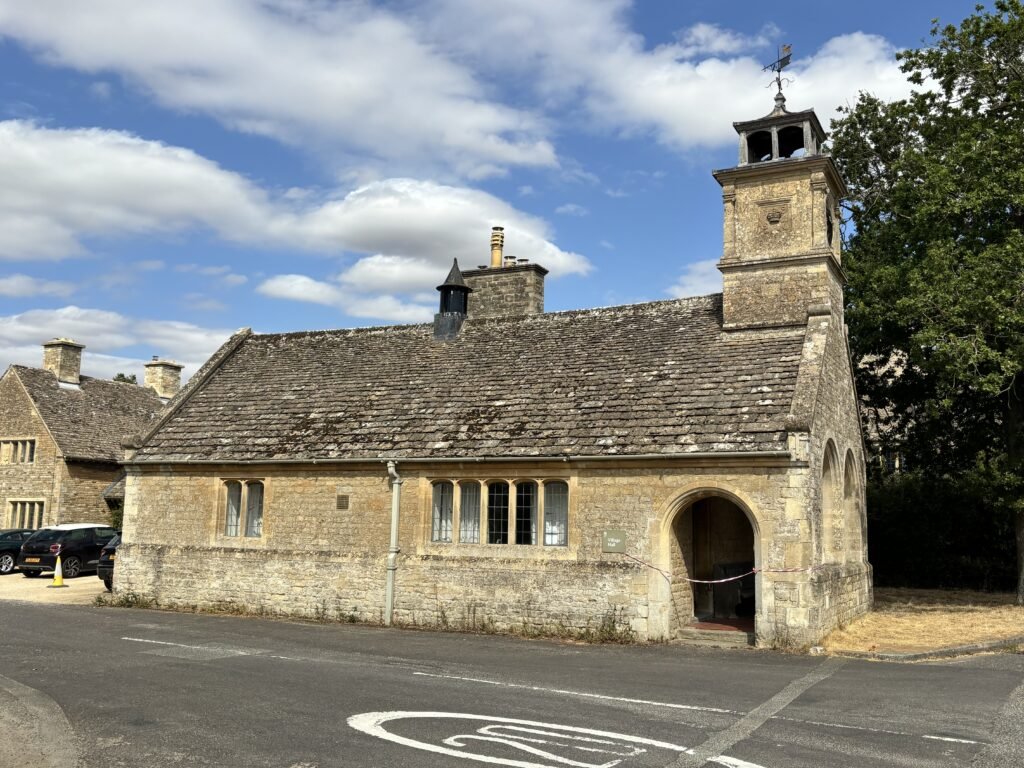
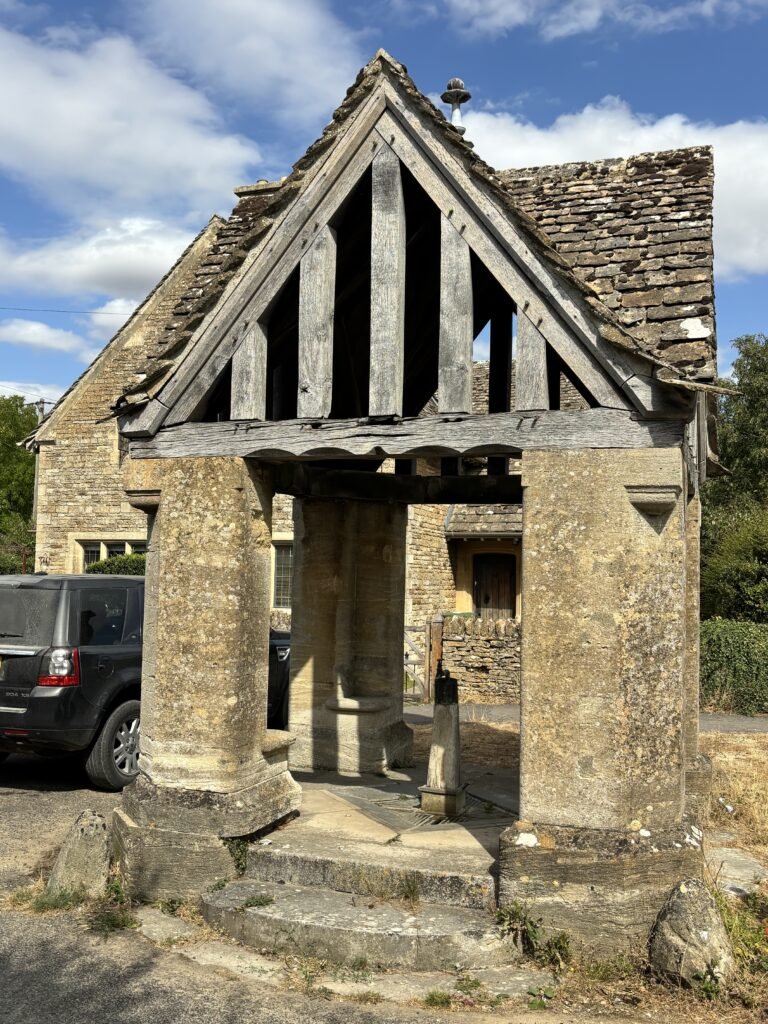
At the other end of the single street is the village hall, and an elaborate water fountain.
Then I walked along a different path to the parish church.
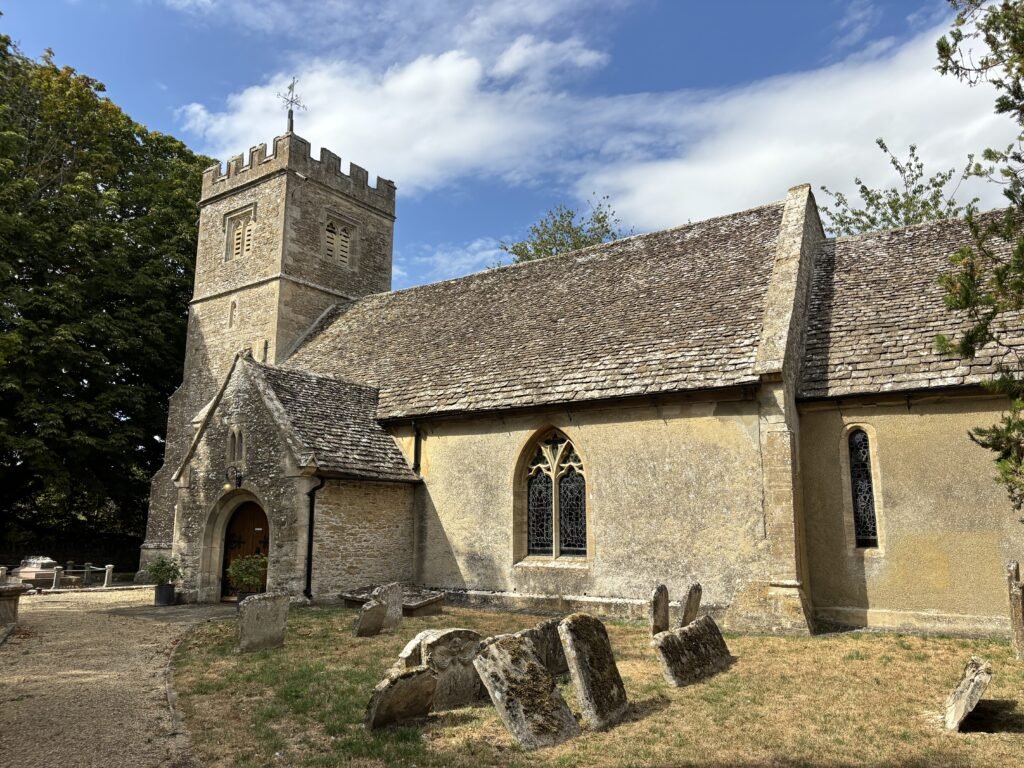
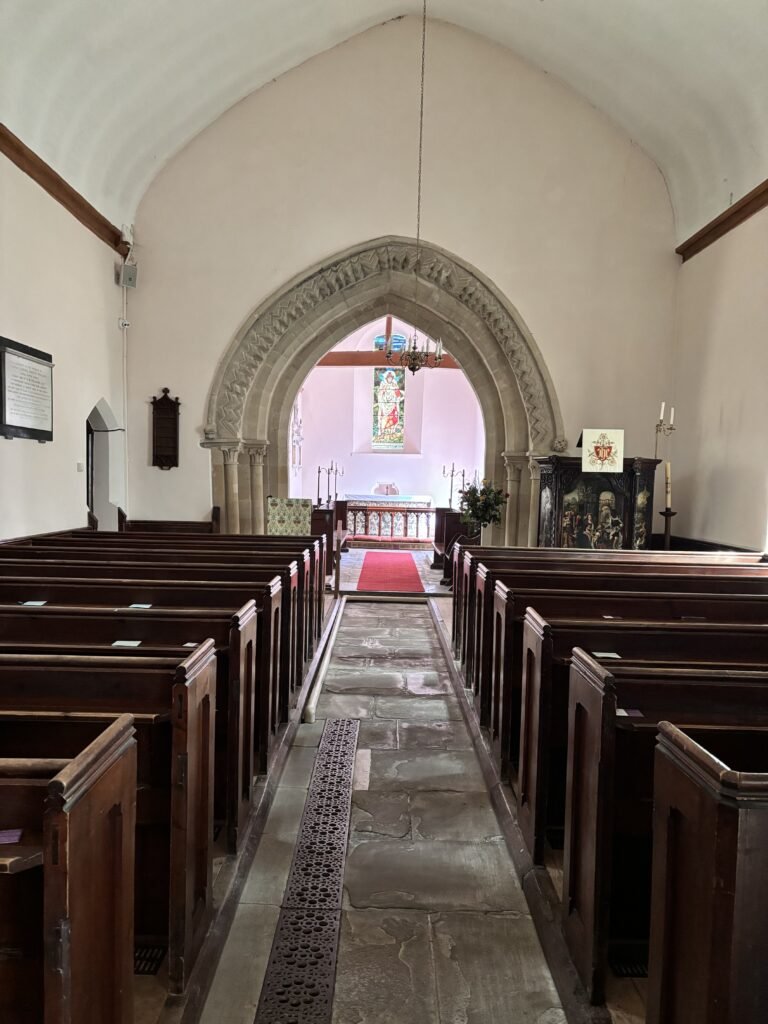
So in a way it was good that we couldn’t moor at Kelmscott and had to come on to Buscot, because it means we’ve explored a different place.
12 miles, 4 locks, free mooring (probably). (111 miles, 41 locks, £124.50)